Even small pockets of downtime can be leveraged to build skills, develop side projects, and future-proof your career. In fact, if you use your downtime to protect your career, you may discover that the quiet moments at work are some of the most valuable time you have.
The Reality of Downtime
I always considered myself a productive worker. However, there was always downtime. As an auditor, I would ask the auditee for access, documents, and other materials—and then the waiting game would begin. As an impatient guy, it was often difficult to deal with. Of course, I was not alone in having downtime.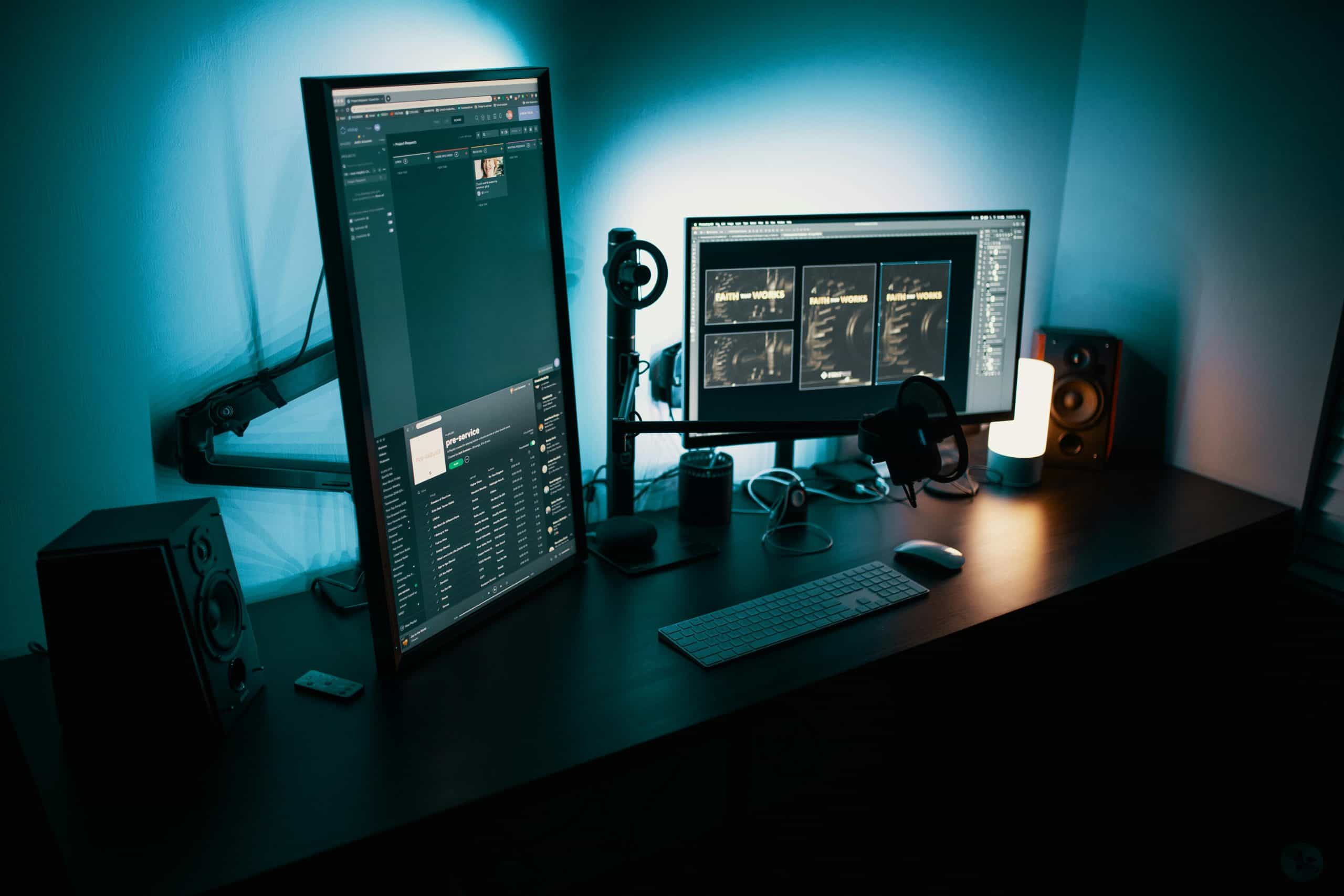
“Surveys show most office workers are only productive a few hours a day
— and as Benjamin Franklin said, lost time is never found again.”
Use Your Downtime to Protect Your Career
At some point, I decided to put that time to good use. Rather than letting idle time vanish, I learned to use it to build skills. I earned an MBA, then an MS, and studied for and passed both the CISA (Certified Information Systems Auditor) and CIA (Certified Internal Auditor) certifications.
Surprisingly, I never felt pressed for time to complete my schoolwork or certifications because there was always some free time at the office. What I didn’t finish at work, I completed at home. I want to be clear: I never “stole” the company’s time. I always got my office work done on schedule and was well-regarded. I know a few colleagues who did something similar.
“An investment in knowledge pays the best interest.” — Benjamin Franklin
I adopted a mindset of continuous learning. The company had a generous budget for classes, so I even learned to code. Years later, I vividly remember being on an audit, doing some data mining for our London office, eating fish and chips at my London hotel’s pub, and looking up at St. Paul’s Cathedral thinking, “Thank God I spent those 2+ hours commuting to those programming classes.”
“I’ll say: if you’re not growing and learning, you’re falling behind. Harsh words, I know, but the world waits for no one.”
Judiciously pick a skill and become an expert.
Why Skills and Side Hustles Matter Today
In my post The Corporate Worker’s Survival Guide (38 Years of Lessons), I suggest that building a strong skill set is essential for survival. Now, more than ever, the threat of AI eliminating jobs is very real for many people. Using your idle time wisely can serve as a hedge against uncertainty.
As much as I loved my job doing data mining for audit, I decided I would retire early. I knew I was too young to retire to a rocking chair. So a couple of years before I retired, I quietly created a website and hung out a shingle as a freelance programmer. I wanted to test the viability of that as a side hustle. It worked. I developed clients.
If I were in the corporate world today, with the uncertainty of AI looming, I would be actively investigating alternative revenue streams. Coding as a side hustle was a natural fit for me because I am comfortable with technology.
Exploring Opportunities for Everyone
Not a developer or coder? No problem. When exercising, I enjoy listening to podcasts, and one of my favorites is The Side Hustle Show hosted by Nick Loper . .The Side Hustle Show hosted by Nick Loper. This top-rated podcast features ideas, actions, and results you need to start and grow a successful business. It’s full of inspiring examples. Go there, find your passion, and see what works for you.
In Closing: Take Action
- Find a couple of ways you can enhance your skill set.
- Investigate and pursue a side hustle.
- Don’t sit around worrying about how you’ll manage through the AI apocalypse, or pretending nothing is happening. Change is inevitable. Smart people make things happen; less smart people have things happen to them.
Remember: “Even small pockets of downtime can be leveraged to build skills or a side hustle.”
If you find yourself struggling to stay organized or make the most of small pockets of time, I highly recommend reading Getting Things Done by David Allen . Allen’s system for managing tasks and priorities has helped millions of professionals bring order to the chaos of modern work. His approach to capturing ideas, organizing commitments, and focusing on what matters most can make a remarkable difference in how effectively you use your time.
“Time is what we want most, but what we use worst.” — William Penn

Join My Reader List
A few short posts each month about writing, new releases, and behind-the-scenes notes from my projects.
I never share email addresses. Unsubscribe anytime.