I recently saw someone say:
What 2008 Really Looked Like.
Home values collapsed, leaving many people in negative equity—owing more than their homes were worth. The S&P 500 dropped dramatically, and layoffs spread across the economy.
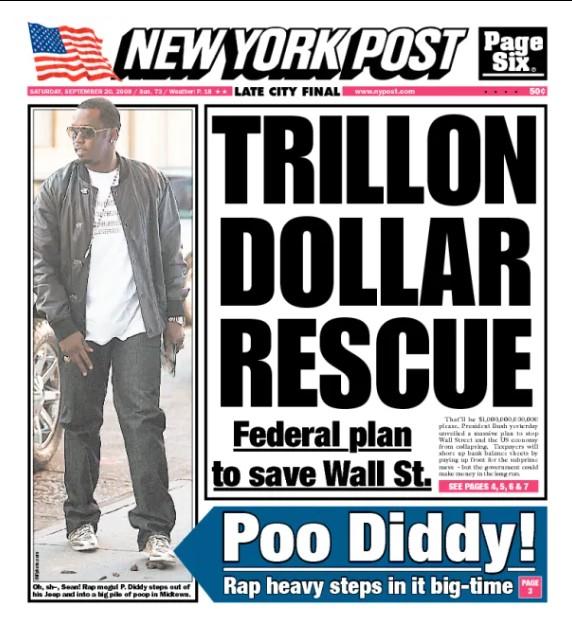
2008 tested the country
The spreadsheet says: 3.5% mortgage vs higher market returns.
Real life sometimes looks like:
market down 40–50%, income uncertain, and debt that doesn’t disappear.Cheap debt works best in stable systems. In 2008, the U.S. lost 8 million jobs. The problem is we rarely know when the system will stop being stable.
My Personal Experience - "Cheap Debt" turned out to be quite expensive
During the crisis, J.P. Morgan Chase agreed to purchase Bear Stearns on March 16, 2008, in a weekend emergency deal. I was told I would have to reapply for my job. At that point, I had 20 years with J.P. Morgan. With a wife and two kids, I went home that night deeply concerned. I consulted my trusty budget spreadsheet: How long can we last?
We had no debt—no mortgage, no credit card debt, nothing. My wife and I are both debt-averse and prefer modest, debt-free lives over possessions. Thankfully, the spreadsheet said we could last a very long time. No debt meant a low monthly expense run rate, and at that moment, it was a great place to be. Meanwhile, friends of ours faced job loss and, not long after, lost their homes.
Lessons From The Data
Research confirms this widespread financial stress. A National Bureau of Economic Research study found:
“Nearly 40 percent of households experienced financial distress at some point during the crisis period.”
Distress included:
- unemployment
- falling behind on mortgages
- homes worth less than the mortgage
Preparing for Uncertainty
And today, we’re entering another period of uncertainty, with Artificial Intelligence potentially reshaping job markets. If I were dependent on a corporate job right now, I wouldn’t be making any significant discretionary purchases.
Being debt-free isn’t just comforting—it’s insurance against a world that rarely behaves like a spreadsheet.
Source: The Effect of the Economic Crisis on American Households

Join My Reader List
A few short posts each month about writing, new releases, and behind-the-scenes notes from my projects.
I never share email addresses. Unsubscribe anytime.